The global coffee market reached $74.14 billion in 2026, with projections pointing to $94.63 billion by 2030. That’s a 6.3% compound annual growth rate, translating to nearly $38 billion in new market value over just four years. But behind these figures lies a story that touches every link in the chain, from smallholder farmers navigating climate uncertainty in Ethiopia’s highlands to roasters experimenting with fermentation profiles in Brooklyn, and consumers who’ve transformed their morning ritual into an exploration of terroir and processing methods.
Understanding market size means more than tracking revenue. It reveals how millions of people earn their livelihoods, how agricultural practices evolve under economic pressure, and where investment flows in an industry balancing explosive specialty growth against persistent commodity dynamics. Coffee sits at a fascinating intersection: it’s simultaneously a traded agricultural commodity subject to futures markets and price volatility, and an artisan product where single-origin microlots command premiums based on provenance, varietals, and processing innovation.
The projected growth reflects fundamental shifts. Specialty coffee continues expanding beyond traditional markets, emerging economies are developing sophisticated cafe cultures, and sustainability concerns are reshaping sourcing relationships. For those of us who care about what’s in our cups, these economic forces directly influence which coffees reach us, how farmers are compensated, and whether the industry can sustain itself as climate change intensifies pressure on growing regions.
Understanding the Numbers: What $74 Billion Really Means
To grasp what $74 billion truly represents, picture this: the global coffee market’s 2026 valuation exceeds the GDP of entire nations like Luxembourg or Uruguay. It’s larger than the global luxury watch industry and roughly equivalent to the worldwide market for skincare products. But unlike those sectors, coffee operates at extraordinary scale, billions of cups consumed daily, touching nearly every corner of the planet.
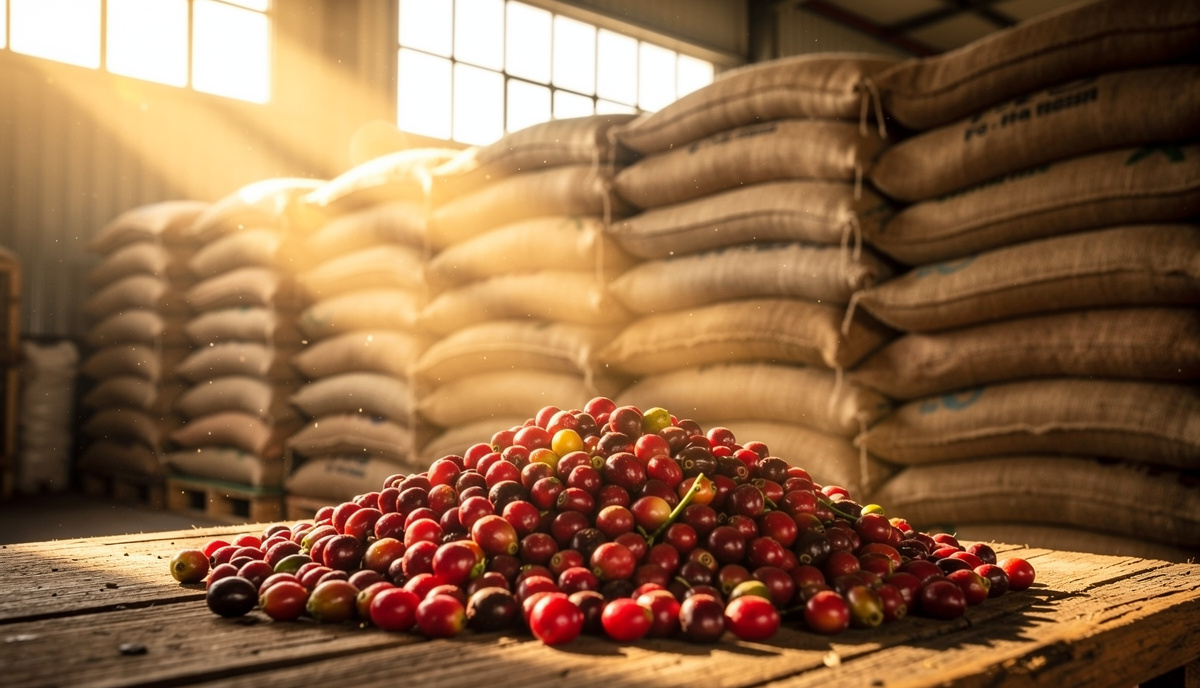
When researchers calculate coffee market size, they’re aggregating multiple layers of economic activity. The figure includes wholesale green coffee trading, the commodity transactions that move beans from origin countries to roasters worldwide. It captures the roasted coffee sold to cafés, restaurants, and retailers. It encompasses packaged coffee on supermarket shelves, specialty bags from local roasters, and ready-to-drink cold brews in convenience stores. Some coffee market forecast to 2026 models also factor in equipment sales, subscription services, and coffee shop revenues, which explains why projections vary considerably depending on methodology.
The retail component drives significant value. A pound of green Colombian beans might trade at $2.50 on commodity markets, but that same coffee, roasted, packaged, and branded, retails for $12 to $25 per pound. Specialty coffee commands even steeper premiums, with micro-lot offerings reaching $40 or more. This value multiplication from farm to cup explains why the market figure seems enormous relative to the physical volume of coffee produced annually.
Think of the $74 billion as a snapshot of value creation across the entire supply chain. It represents the labor of millions of smallholder farmers, the infrastructure of processing mills and export facilities, the expertise of roasters, the innovation of brewing equipment manufacturers, and the experience delivered by baristas. Each transaction point adds value, and the cumulative effect, when measured globally, reveals coffee’s staggering economic footprint.
What makes this figure particularly meaningful is its trajectory. Growing at 6.3% annually means the market adds roughly $4.7 billion in value each year, fueled by expanding consumption in emerging markets, premiumization in developed countries, and continuous product innovation that creates new ways for people to engage with coffee.
Growth Trajectory: Where the Market Is Headed
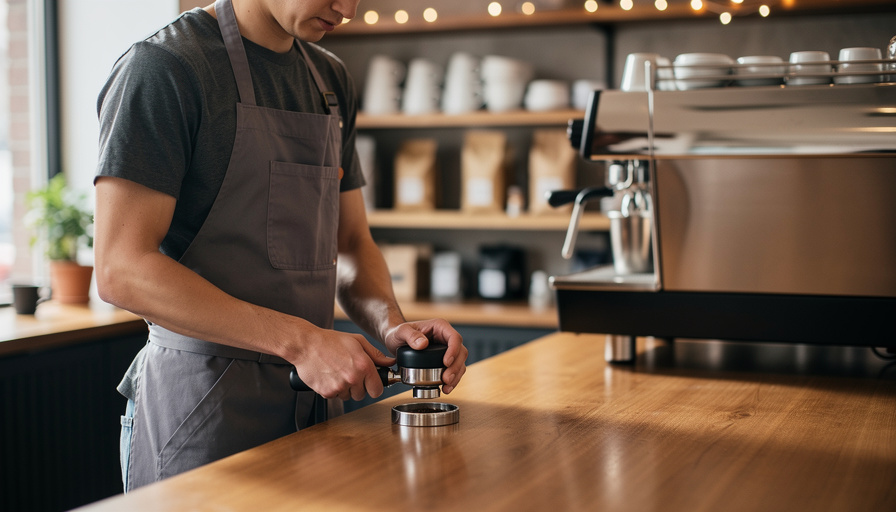
The coffee market’s upward climb shows no signs of slowing. Industry analysts project the market will expand from today’s $74.14 billion to somewhere between $94.63 billion and $251.34 billion by 2030, depending on what you’re measuring. That wide range isn’t a contradiction, it reflects different lenses on the same dynamic industry.
Most forecasts center on a compound annual growth rate between 6.3% and 6.5% through the end of the decade. In practical terms, that means the industry adds roughly $37.6 billion in value over the next four years, sustaining the momentum that has characterized coffee’s evolution from commodity to craft. This growth rate outpaces global GDP expansion, signaling that coffee is claiming a larger share of consumer spending worldwide.
| Projection Scope | 2030 Estimate | CAGR | What It Measures |
|---|---|---|---|
| Wholesale coffee market | $94.63 billion | 6.3% | Green coffee trading, commodity value |
| Broad coffee products | $251.34 billion | 6.5% | Retail, prepared beverages, equipment, adjacent categories |
| Incremental growth | +$37.6 billion | 6.3-6.5% | Net value addition across all segments |
The variance in projections comes down to methodology and scope. Conservative estimates track wholesale green coffee trading, essentially the commodity market where roasters source beans. These figures capture the core coffee trade but exclude prepared beverages, branded retail products, equipment sales, and the premium attached to specialty processing. Broader analyses incorporate the entire coffee ecosystem, from farm-gate prices through espresso machines to the latte you buy at a cafe. Both perspectives are valid; they’re just measuring different parts of the value chain.
What makes these forecasts optimistic rather than speculative is the convergence of multiple growth drivers. Specialty coffee continues converting drinkers who once settled for generic brews into enthusiasts willing to pay for quality and traceability. Emerging markets in Asia and Africa are building coffee cultures from scratch, adding millions of new consumers annually. Product innovation, cold brew, ready-to-drink formats, plant-based milk alternatives, expands consumption occasions beyond the traditional morning cup.
These projections also assume continued investment in sustainable farming practices and supply chain resilience, factors that support premium pricing while ensuring long-term production capacity. The numbers suggest an industry maturing beyond simple volume growth into value creation, where better coffee commands better margins and more discerning consumers drive the entire market upward.
Forces Shaping Market Expansion
The Specialty Coffee Revolution
Specialty coffee represents roughly 20% of global volume but commands a far larger share of total market value. When a consumer pays $5 for a craft latte versus $2 for commodity coffee, that premium doesn’t just reflect beans, it captures the entire value chain of rigorous sourcing, skilled roasting, and artisan preparation. This quality-focused consumption fundamentally reshapes market economics.
The specialty segment drives average transaction values upward across the industry. Third-wave cafés, subscription services offering single-origin beans, and home baristas investing in grinders and espresso machines all contribute revenue that dwarfs their volumetric footprint. A kilogram of Ethiopian Yirgacheffe sold at $30 generates more market value than five kilograms of commercial blend at $8, even though the latter represents greater consumption.
This concentration of value explains why specialty coffee’s growth rate exceeds the broader market. As middle-class consumers worldwide shift from instant granules to whole beans, and from convenience to craft, they’re not just drinking more coffee, they’re trading up. Each conversion to quality-focused consumption adds disproportionate revenue to that $74.14 billion figure, making specialty the engine behind optimistic growth projections through 2030.
Emerging Markets and New Coffee Cultures
Asia-Pacific leads this transformation, with countries like China and India showing explosive growth in coffee consumption. China’s urban middle class has embraced coffee shops as social spaces and status symbols, shifting away from millennia-old tea traditions. South Korea’s café culture rivals established markets in density and sophistication, while Indonesia, already a major producer, now cultivates domestic consumption alongside export markets.
Latin America presents a different pattern. Traditional coffee-producing countries like Colombia and Brazil historically exported their best beans while consuming lower grades domestically. Rising prosperity and specialty coffee education are reversing this trend, creating vibrant local markets where producers increasingly serve their own communities.
The Middle East and Africa represent the next frontier. Coffee culture in these regions isn’t entirely new, Ethiopia is coffee’s birthplace, but modern café formats and specialty consumption patterns are spreading rapidly through urban centers. Nigeria, Kenya, and South Africa are developing sophisticated coffee scenes that combine traditional preparation methods with contemporary specialty approaches.
These emerging markets don’t just expand volume, they drive value. New coffee drinkers often skip commodity coffee entirely, entering the market through specialty offerings that command higher prices and contribute disproportionately to overall market growth.
From Farm to Market: The Trading Infrastructure Behind the Numbers
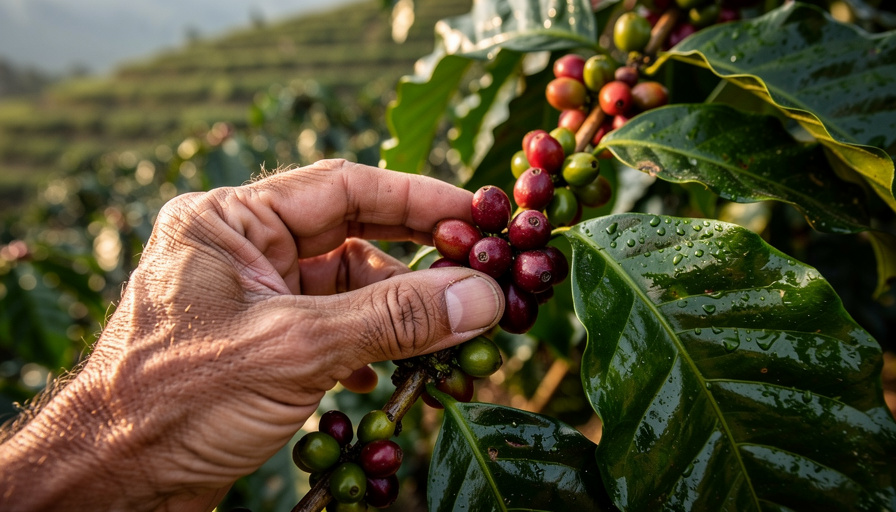
Behind that $74 billion valuation sits a complex trading infrastructure that moves coffee from over 50 producing countries to consuming markets worldwide. This system operates on multiple levels simultaneously: commodity exchanges where coffee trades as a standardized futures contract, specialized importers and exporters who handle physical shipments, direct trade relationships between roasters and farms, and an intricate web of brokers, quality graders, logistics companies, and financing institutions. Understanding this infrastructure reveals both the sophistication that enables the market’s scale and the transparency challenges that concern ethically-minded coffee drinkers.
The two major commodity exchanges, ICE Futures U.S. in New York for Arabica and ICE Futures Europe in London for Robusta, set benchmark prices that ripple through the entire industry. Futures contracts allow buyers and sellers to lock in prices months ahead, managing risk in a market notorious for volatility. Yet these exchanges trade standardized grades that flatten the nuances specialty roasters seek, creating a parallel direct trade ecosystem where quality premiums and relationship investments matter more than commodity pricing.
Physical coffee typically moves through established channels: farmers sell to local cooperatives or middlemen, who aggregate volume for regional exporters, who ship containers to importing companies in consuming countries, who then sell to roasters. Each handoff adds costs and distance from origin. Direct trade attempts to shorten this chain, with roasters establishing relationships directly with farms or cooperatives, negotiating prices independent of exchange benchmarks, and often paying premiums for quality and sustainable practices.
The infrastructure supporting coffee movement includes specialized shipping companies handling temperature-controlled containers, quality control labs testing samples at multiple points, customs brokers navigating import regulations, and financing institutions extending credit throughout the chain. This complexity creates opportunities for both efficiency and opacity. Blockchain initiatives and traceability platforms are emerging to track coffee from farm to cup, but adoption remains limited and verification challenges persist.
For the market to reach projected growth, $94.63 billion by 2030, this trading infrastructure must evolve. Increasing demand for transparency, sustainability certifications, and direct relationships is reshaping traditional channels. The challenge lies in scaling systems that can handle growing volume while maintaining the traceability and fair compensation that specialty consumers increasingly demand.
What Market Growth Means for Coffee Enthusiasts
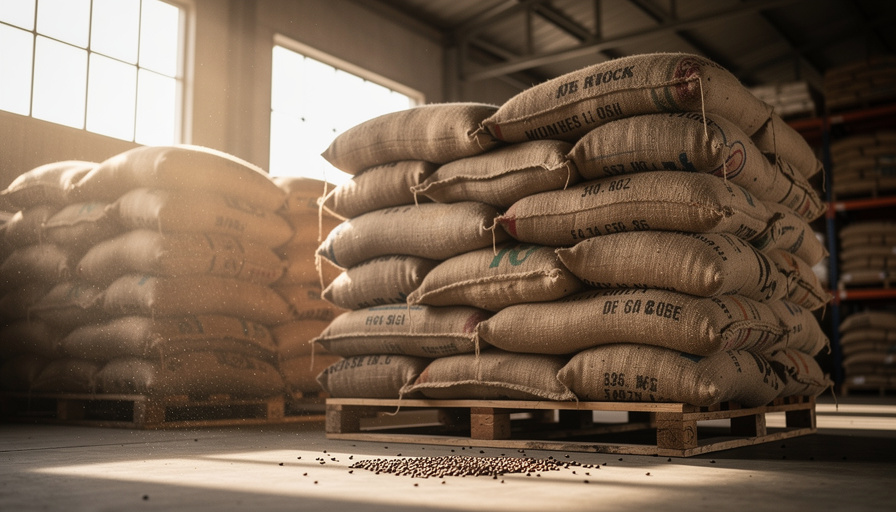
A $74 billion industry growing toward $94 billion by 2030 isn’t just an abstract economic figure. This expansion reshapes what’s available to you as a coffee drinker, how you access quality beans, and what you pay for them.
The most tangible benefit shows up in selection. Market growth funds infrastructure that brings more origins, processing methods, and roast profiles to your local specialty shop or online retailer. Five years ago, finding a naturally processed Kenyan or a rare Indonesian varietal required hunting down niche importers. Today, expanding market value supports direct trade relationships and specialized distributors who make these coffees routine offerings. You benefit from competitive diversity that didn’t exist when the market was smaller and concentrated.
This growth simultaneously drives transparency. As consumers invest more money in coffee, they demand more information about what they’re buying. Roasters respond with detailed sourcing stories, farm-level traceability, and verifiable sustainability certifications because the market rewards it. Blockchain tracking systems, QR-coded bags linking to farmer profiles, and published pricing structures have become competitive differentiators in a crowded, growing market.
But expansion brings volatility. A larger, more valuable market attracts speculative investment and heightened sensitivity to supply shocks. Climate events affecting major producing regions now ripple through global pricing faster and more dramatically than when coffee was a smaller commodity. Expect continued price fluctuations as the market scales.
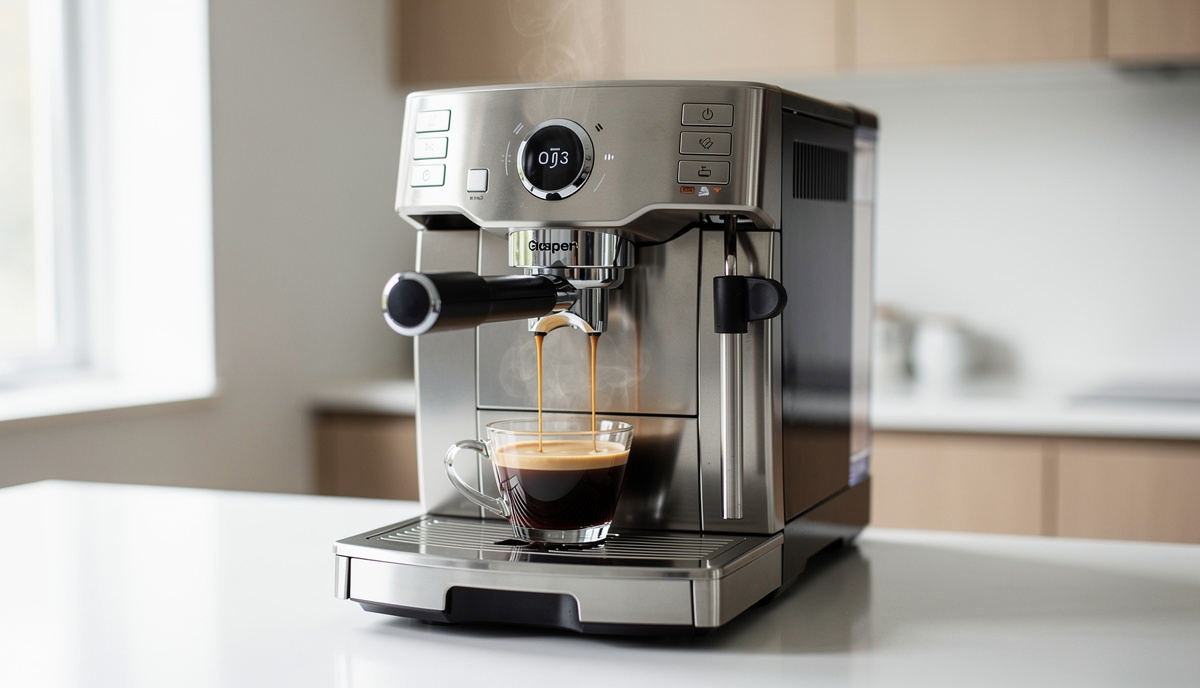
The growth also accelerates brewing innovation. Equipment manufacturers pour R&D budgets into developing automatic espresso machines and precision brewers that promise café-quality espresso at home because expanding consumer investment justifies the engineering costs. The tools available to enthusiasts improve directly because market size creates viable business cases for sophisticated gear.
Ultimately, you’re not separate from these market forces. Your purchasing decisions aggregate into the demand signals that shape this $74 billion ecosystem. Choosing traceable, ethically sourced coffee steers market growth toward outcomes that benefit both producers and drinkers.
Common Questions About Coffee Market Size
Market size figures can feel abstract until you understand what goes into them and why different sources report different numbers. Here’s what coffee enthusiasts actually want to know about the data behind the industry’s growth story.
How is coffee market size actually calculated?
Market size represents the total revenue generated from coffee sales across all segments, retail packaged coffee, ready-to-drink products, café sales, and coffee shop equipment. Researchers aggregate data from commodity exchanges, trade associations, corporate financial reports, and consumer spending surveys to arrive at figures like the $74.14 billion valuation for 2026.
Why do different sources show such different projections?
The range from $94.63 billion to $251.34 billion exists because analysts use different methodologies and segment definitions. Some include only packaged retail coffee, while others encompass the entire value chain from green beans to finished beverages, café services, and even equipment like espresso machine quality hardware. Geographic scope also varies, some reports focus on specific regions while others capture global totals.
Is this growth trajectory sustainable given climate challenges?
Growth projections of 6.3-6.5% CAGR assume continued innovation in farming practices and geographic diversification of production. Climate change poses real threats to traditional growing regions, but investment in resilient varieties, shade-grown systems, and expansion into new suitable areas could maintain supply even as demand rises.
How does specialty coffee fit into these massive numbers?
Specialty coffee represents a relatively small volume of total beans traded but contributes disproportionately to market value. While commodity-grade coffee might sell for $1.50 per pound wholesale, specialty lots command $5-15 per pound or more, and the retail markup on specialty beverages far exceeds standard coffee, making this segment a key driver of overall market growth.
Which regions are growing fastest?
Asia-Pacific leads growth rates as emerging middle classes in China, India, and Southeast Asia adopt coffee culture. These markets historically favoured tea but are now experiencing double-digit annual increases in coffee consumption, fundamentally expanding the global customer base in ways that Europe and North America, mature, saturated markets, cannot match.
The variations in market data aren’t errors or contradictions. They reflect different lenses on the same dynamic industry. Understanding what each figure measures helps you interpret growth trends and make sense of where coffee is headed as both a global commodity and a craft pursued by millions of enthusiasts worldwide.
The $74 billion global coffee market isn’t just a number, it’s a measure of humanity’s deepest daily ritual playing out across every continent. This figure represents millions of farmers tending crops, countless roasters perfecting profiles, and baristas worldwide crafting the drinks that anchor our mornings. With projections pointing toward $94.63 billion by 2030 at a 6.3% growth rate, the industry’s expansion reflects not merely increasing consumption but evolving sophistication: more people drinking better coffee, more often, with greater awareness of where it comes from.
For coffee enthusiasts, these market dynamics translate directly into tangible improvements. The specialty segment’s outsized contribution to market value incentivizes quality investments throughout the supply chain, from selective harvesting to direct trade relationships. This growth funds innovation in everything from better home espresso equipment to traceability platforms that connect you with specific farms.
The ethical imperative embedded in this growth matters profoundly. As the market expands, your purchasing decisions carry real weight, supporting transparency, fair compensation, and sustainable practices scales impact. The coffee economy’s trajectory depends on informed consumers who understand that quality and ethics aren’t premium add-ons but fundamental to the craft. This $74 billion story continues being written in every cup, every transaction, every choice to engage thoughtfully with the journey from seed to sip.