Getting consistently excellent espresso from an automatic machine requires systematic optimization of grind size, dose, extraction temperature, and bean freshness, not just pressing a button and hoping for the best. While manufacturers promise café-quality results at the touch of a screen, the reality is more nuanced: these machines are genuinely capable of producing exceptional espresso, but only when you understand their limitations and actively dial in your parameters rather than relying on factory presets.
The disappointment many owners experience stems from a fundamental misconception. Automatic espresso machines automate the mechanical process of grinding, tamping, and brewing, but they cannot automatically compensate for stale beans, incorrect grind settings, or water chemistry issues. The machine executes your instructions with precision, which means small adjustments in your input variables create dramatic differences in cup quality.
This matters because the gap between mediocre and excellent espresso often comes down to just a few tweaks. A grind adjustment of two clicks, a temperature shift of three degrees, or switching to beans roasted within the past two weeks can transform a sour, under-extracted shot into something genuinely remarkable. The science of extraction governs all espresso, whether pulled by a skilled barista on a manual machine or programmed into an automatic system.
For prospective buyers, understanding this optimization requirement shapes smarter purchasing decisions. The best automatic machine running on poor beans and default settings will disappoint, while a mid-range model with proper dialing-in and ethically sourced, freshly roasted coffee will consistently deliver. The craft of great espresso hasn’t disappeared with automation; it has simply shifted from manual technique to informed parameter selection and coffee sourcing decisions that honor both quality and the farmers who grew those beans.
The Promise and Reality of Automatic Espresso Machines

When super-automatic espresso machines first appeared in commercial settings during the 1980s, they represented a radical promise: consistent, high-quality espresso at the push of a button. The technology migrated to consumer kitchens with an equally compelling pitch, café-quality coffee without barista skills, technical knowledge, or the morning ritual of manual grinding, dosing, and tamping.
The reality is more nuanced. Modern automatic espresso machines are engineering marvels that handle an intricate sequence of operations: grinding fresh beans to your specified fineness, dosing a precise amount, forming and compressing a puck, heating water to extraction temperature, and pulling a shot while managing pressure throughout the process. This integration represents genuine innovation, and when properly optimized, these machines can produce espresso that rivals manual setups costing significantly more.
Yet most owners experience a frustrating gap between expectation and output. The shots taste weak, sour, or aggressively bitter. The crema looks anemic. The body feels thin. The temptation is to blame the machine itself or conclude that automatic simply means inferior.
This performance gap rarely stems from inherent technological limitations. Instead, it reflects a fundamental misunderstanding about what “automatic” actually means. These machines automate the physical actions of espresso preparation, but they cannot automatically optimize the variables that determine extraction quality. They ship with factory settings designed for broad appeal and legal liability rather than optimal extraction. The grinder arrives set to a middle-ground coarseness. The dose defaults to a conservative amount. Temperature targets the safe middle of the acceptable range.
The manufacturers assume you will adjust these parameters to match your beans, your water, and your taste preferences. Most users never do. They expect the automation to extend beyond mechanical actions to include the judgment calls that define quality espresso, which beans work best at what freshness level, how fine to grind for a specific roast, whether the water needs filtration or remineralization.
Your automatic machine is not a coffee vending appliance. It is a sophisticated tool that handles the tedious precision work while leaving the critical decisions to you. Understanding that distinction transforms frustration into possibility.
Understanding Your Machine’s Critical Variables
The Grinder: Your Machine’s Most Important Component

The integrated grinder in your automatic espresso machine does more to determine shot quality than any other component, yet it’s typically the first place manufacturers cut costs to hit consumer price points. While the boiler, pump, and brew group receive attention in marketing materials, the grinder quietly performs the most critical task: transforming whole beans into particles with the surface area needed for proper extraction.
Most super-automatics use ceramic or steel burr grinders rather than blade mechanisms. Ceramic burrs stay sharper longer and generate less heat during grinding, but they’re brittle and can shatter if a small stone makes it past quality control in your beans. Steel burrs dull faster, particularly the softer stainless varieties, but they’re more forgiving of foreign objects and generally easier to replace when performance degrades.
The grind adjustment range matters enormously. Entry-level machines often provide five to seven settings, which sounds adequate until you realize that optimal espresso extraction might live between positions three and four with no way to access that sweet spot. Better machines offer fifteen or more incremental steps, giving you the precision to make the micro-adjustments that separate sour under-extraction from balanced complexity.
Here’s what you can’t escape: if your machine’s grinder produces an inconsistent particle distribution with too many fines (dust-like particles) and boulders (chunks), no amount of temperature tweaking or dose adjustment will rescue your shots. Fines clog the puck and cause channeling while boulders remain under-extracted, leaving you with simultaneously bitter and sour flavors. Higher-end machines address this with better burr geometry and more precise grinding mechanisms, but even mid-range grinders can produce acceptable results when properly maintained and operated within their capabilities.
Temperature Stability and What You Can Actually Control
Most automatic espresso machines advertise precise temperature control, but the reality is more nuanced. Your machine likely experiences temperature fluctuations of 5-10°F throughout the brewing cycle, enough to shift extraction from balanced to sour or bitter. Understanding what’s actually happening inside that sleek chassis helps you work within these constraints rather than fight them.
Super-automatics use thermoblock or thermocoil heating systems rather than the dual-boiler setups found in prosumer manual machines. These heat water on demand as it flows through metal channels, which means faster heat-up times but less thermal stability. The first shot after power-up often runs cooler than subsequent shots because the entire system hasn’t reached equilibrium. This isn’t a defect; it’s how the technology works.
What you can control: Most mid-range and higher machines offer three to five temperature presets, typically ranging across about 10°F total. Start at the middle setting and adjust based on your coffee. Lighter roasts need higher temperatures (around 200-203°F) to extract fruity and floral notes, while darker roasts perform better at lower temperatures (195-198°F) to avoid excessive bitterness.
Run a blank shot before pulling espresso if your machine’s been idle for more than 20 minutes. This purge stabilizes the brew head temperature and flushes any stagnant water. Some machines let you adjust pre-infusion duration, which indirectly impacts thermal consistency by controlling how long cooler water contacts the coffee puck before full-pressure extraction begins.
Accept that you won’t achieve the rock-solid temperature precision of a $3,000 heat-exchanger machine. Instead, dial in your grind and dose to complement your machine’s thermal personality.
Water Quality: The Foundation You’re Probably Ignoring

Water makes up roughly 98% of your espresso, yet most automatic machine owners pour in whatever flows from the tap without a second thought. That oversight costs you twice: poorly extracted shots now and expensive repairs later.
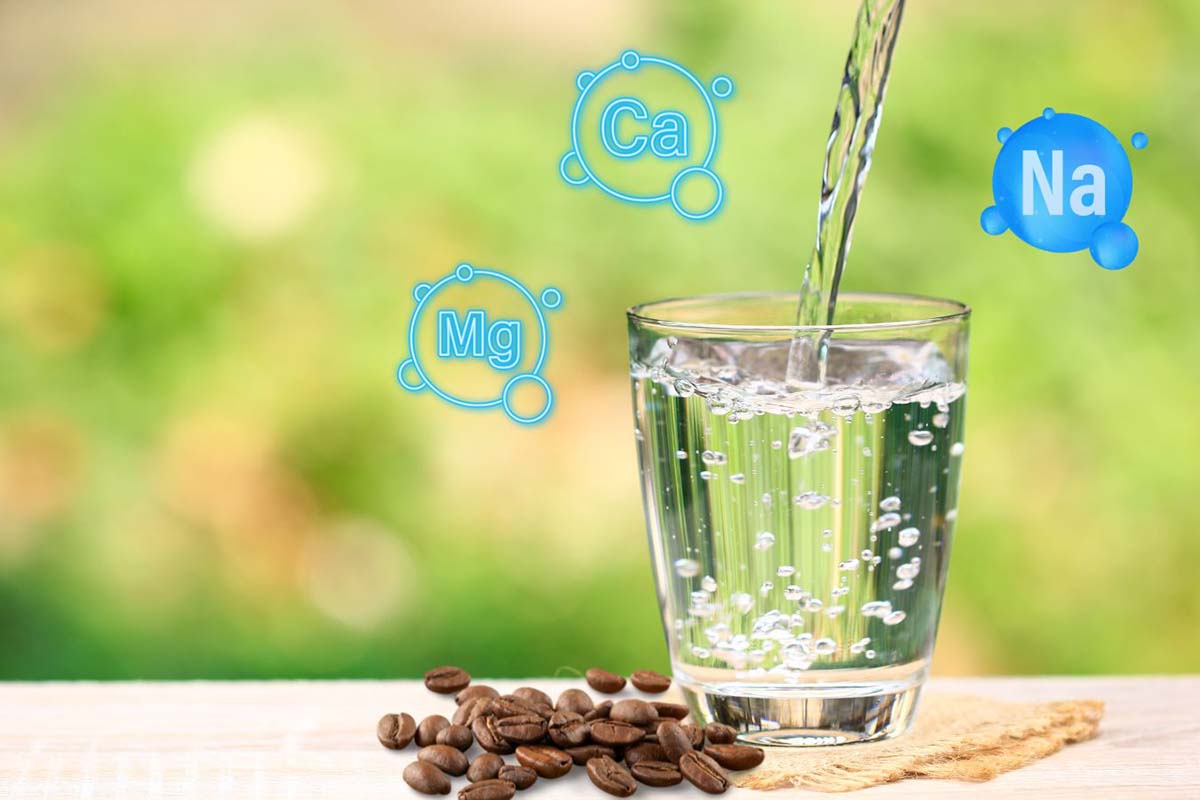
Your water’s mineral content determines how efficiently those minerals extract soluble compounds from coffee. Too few minerals, and water strips flavour unevenly, producing flat, sour shots. Too many, and extraction stalls while scale accumulates inside your machine’s boiler and piping. The water hardness and TDS you’re working with right now might explain why identical grind settings produce wildly different results from one week to the next.
Start with a basic water test. Inexpensive TDS meters show total dissolved solids in parts per million. For espresso, aim for 50-150 ppm with balanced calcium and magnesium. If your tap water reads above 200 ppm or tastes noticeably minerally, you need intervention.
The simplest fix? Bottled water with published mineral content around 80-120 ppm total hardness. Many owners report immediate improvement switching from hard tap water to consistent bottled sources. For longer-term solutions, install a basic carbon filter to remove chlorine and odours, then remineralize if your source water is too soft. Specialized espresso water products exist, but you can achieve excellent results by blending distilled water with a small amount of mineral-rich water to hit your target range.
Your automatic machine’s manufacturer likely specifies maximum hardness levels for warranty coverage. That’s not just liability protection. It’s acknowledgment that water chemistry directly impacts machine lifespan and shot quality.
The Optimization Process: From Factory Settings to Dialed-In Shots
Creating Your Calibration Routine
Start with a single variable and change nothing else. This sounds obvious, but most people adjust grind size, dose, and temperature simultaneously, then wonder why they can’t identify what improved their shot. Pick one variable, grind size is usually the best starting point, and make small, measurable adjustments while keeping everything else constant.
Document every change in a simple notebook or phone app. Record the grind setting number, shot volume, extraction time, and most importantly, what you tasted. Don’t just write “bitter” or “sour.” Note specific flavors: was it harsh and astringent, or pleasantly bright? Did the body feel thin or syrupy? These distinctions sharpen your palate and create a reference library you’ll rely on when problems arise weeks later.
Pull the same shot three times before changing anything. Automatic machines can vary slightly shot-to-shot, so a single pull doesn’t tell you much. If all three shots taste similarly unbalanced, adjust one step and repeat the process. This takes patience, but it’s the only way to separate real improvement from random variation.
Taste your shots at different temperatures as they cool. Sweetness and acidity shift dramatically between scalding and lukewarm. A shot that seems one-dimensional at first sip might reveal caramel notes at drinking temperature, or conversely, flaws you missed when it was too hot to taste properly.
Create a baseline shot you can return to, a “control” setting that produces drinkable, if not perfect, espresso. When you venture into new territory and everything goes wrong, you’ll have coordinates to get back to solid ground. This safety net makes experimentation less intimidating and prevents the spiral of changing everything in frustration.
When to Compromise and When to Push Further
After weeks of careful calibration, you’ll face a critical question: am I still improving the shot, or just chasing perfection that doesn’t exist in this machine? Learning to distinguish between the two separates satisfaction from frustration.
Your automatic espresso machine has a performance ceiling, and recognizing when you’ve reached it requires honest assessment. If you’ve methodically adjusted every accessible variable, grind size, dose, temperature settings, and tracked your results over multiple sessions with fresh, quality beans, you’ve likely found your machine’s sweet spot. The shots should taste balanced, with pleasant acidity and sweetness rather than harsh bitterness or sour notes. Extraction times should fall within reasonable parameters for your chosen dose. When further adjustments in either direction make things worse, not better, you’ve arrived.
User error looks different. It shows up as wild inconsistency from shot to shot despite unchanged settings, usually traced to overlooked variables like irregular tamping pressure in the portafilter bypass, forgotten maintenance, or switching between different coffees without resetting your baseline. If one morning produces excellent shots and the next morning tastes terrible with identical settings, suspect technique variation or stale beans before blaming the machine.
Knowing when to push further means identifying genuine bottlenecks. If your grinder produces visibly inconsistent particle sizes or can’t adjust fine enough for proper extraction, that hardware limitation justifies considering an upgrade. If temperature swings of ten degrees or more plague every shot despite manufacturer specifications, that’s a fixable problem worth pursuing through descaling or service.
The craft lies in accepting that a three-hundred-dollar super-automatic won’t replicate a commercial La Marzocco’s thermal stability, while simultaneously refusing to accept mediocre results that better technique could fix. Stop when your shots consistently deliver enjoyment. That’s optimization’s true goal, not theoretical perfection.
Coffee Selection for Automatic Machines
Why Roast Date Matters Even More
Automatic espresso machines expose stale coffee more ruthlessly than manual setups, and the reason comes down to control. When you pull a manual shot, you can compensate for degassing by adjusting pressure profiling, extending preinfusion, or modifying your brew ratio on the fly. Your super-automatic offers no such rescue mechanisms. It extracts with fixed parameters, which means the coffee itself carries the entire burden of quality.
Fresh coffee, ideally roasted within two to four weeks, contains enough retained CO2 to create the resistance automatic machines need for proper extraction. As beans age beyond this window, they degas and their cell structure breaks down, leading to faster water flow through the puck and underextraction. Your machine will produce thin, sour shots no matter how you adjust the grinder, because the coffee simply cannot support the extraction process anymore.
This reality makes your sourcing decisions critical. Seek out roasters who print roast dates clearly on their bags and who maintain transparent relationships with origin producers. Ethical sourcing and freshness often align: roasters committed to direct trade and fair pricing typically operate on smaller batch cycles, ensuring beans reach you at peak potential. Look for roasters who name the farms, cooperatives, or washing stations they source from. This transparency usually signals both ethical practice and a supply chain moving quickly enough to deliver genuinely fresh coffee.
Buying pre-ground or months-old supermarket beans sabotages optimization before you begin. Your machine deserves better fuel.
Single-Origin Versus Blends in Super-Automatics
Super-automatic machines reveal an interesting paradox when it comes to single-origin coffees versus blends. The conventional wisdom that blends exist to mask inferior beans misses the point entirely with automatic espresso, well-crafted blends often perform more forgivingly in these machines, while single-origins demand precision these systems sometimes struggle to deliver consistently.
Single-origin coffees, particularly those highlighting delicate floral or fruit notes, can be temperamental in super-automatics. The machine’s fixed extraction parameters might not capture the nuanced sweetness of a washed Ethiopian Yirgacheffe the way a skilled barista could on manual equipment. Temperature fluctuations of even two degrees can push bright, acidic origins into sourness or bury their complexity entirely. If you’re committed to showcasing terroir-driven coffees, stick to origins with more forgiving flavour profiles, Brazilian naturals with their chocolate and nut notes, or honey-processed Costa Ricans with inherent sweetness that survives less-than-perfect extraction.
Blends designed specifically for espresso, however, typically combine origins with complementary extraction requirements. A well-balanced blend might pair a bright Central American base with deeper Indonesian body, the components chosen to extract cleanly across a wider temperature range. This built-in forgiveness translates to more consistent results shot after shot, which matters when your machine is making decisions faster than you can intervene.
The ethical consideration remains paramount regardless of your choice. Whether you select a transparent single-origin from a farmer-direct relationship or a thoughtfully blended offering, verify the roaster’s commitment to fair pricing and sustainable practices. Both paths can showcase quality and support coffee-growing communities when sourced with integrity.
Maintenance as Optimization

You’ve dialed in your grind, nailed your water chemistry, and found the perfect beans. Then, three weeks later, your shots taste flat and pull too fast. The culprit isn’t your technique, it’s accumulated coffee oils coating your brew group and mineral deposits choking your heating element. Maintenance isn’t separate from optimization; it’s the foundation that makes everything else work.
Think of your automatic machine as a high-performance system where microscopic variables matter. A thin film of rancid coffee oil changes extraction chemistry. Scale buildup shifts water temperature by several degrees. Old grease in the brew mechanism creates inconsistent pressure. These degradations happen gradually, so you might not notice the decline until you’ve lost 30% of your machine’s potential.
The machines that consistently produce excellent shots are the ones maintained like the precision instruments they are. Commercial cafés clean their equipment obsessively not because they enjoy the work, but because a clean machine is a predictable machine. You can apply the same discipline at home with less effort than you’d think.
| Frequency | Task | Impact on Shot Quality |
|---|---|---|
| Daily | Empty drip tray and grounds container; wipe brew group exterior | Prevents overflow issues; removes surface oils that affect next shot |
| Weekly | Remove and deep-clean brew group; clean milk system thoroughly | Eliminates accumulated oils that cause bitter, stale flavors; prevents bacterial growth |
| Monthly | Run cleaning tablets through brew cycle; descale if using hard water | Removes coffee residue in internal passages; maintains stable temperature |
| Every 3-6 months | Lubricate brew group moving parts; replace water filter | Ensures consistent pressure application; maintains optimal water chemistry |
The brew group deserves special attention because it’s where extraction happens. Most super-automatics have removable brew groups designed for weekly cleaning under running water. This isn’t optional. Coffee oils go rancid within days, and those rancid oils leach into every shot, creating an acrid undertone no amount of dialing in can fix. When you remove the brew group, check the seals for wear, a degraded seal means inconsistent pressure and watery shots.
Descaling matters more than most owners realize. Scale doesn’t just reduce heating efficiency; it creates hot spots that cause temperature swings during extraction. In regions with hard water, descale monthly. Soft water areas can stretch to quarterly, but don’t skip it. Use your machine manufacturer’s descaling solution or a citric acid formula designed for espresso equipment, not white vinegar, which can damage seals and leave lingering flavors.
The grinder burrs accumulate oils and fines that eventually create a coating that reduces cutting efficiency. Every few months, run grinder cleaning tablets through to purge this buildup. You’ll notice sharper flavor clarity immediately after cleaning, even if you thought the grinder was working fine.
Preventive maintenance catches problems before they become optimization roadblocks. Listen for changes in pump sound or motor strain. Watch extraction flow, if it suddenly speeds up with the same settings, you likely have a seal issue or scale buildup affecting pressure. Address these signals early, before they compound into major performance losses. Your machine will reward consistent care with consistent shots.
Troubleshooting Common Optimization Obstacles
Even when you follow every optimization principle, automatic espresso machines throw curveballs. The difference between troubleshooting effectively and giving up in frustration comes down to recognizing patterns and understanding what’s actually happening inside your machine.
Inconsistent shots from the same settings plague automatic machine owners more than any other issue. One morning delivers balanced espresso, the next tastes thin and sour using identical parameters. Before questioning your palate or your machine’s reliability, check for variables you’re not controlling. Room temperature affects grind consistency, your grinder produces finer particles on cold mornings than warm afternoons. Bean age matters too; coffee four days off roast extracts differently than the same beans at ten days, even from the same bag. Track ambient conditions and bean date alongside your settings. Many “inconsistent” machines are actually performing consistently within changing conditions.
Persistent sourness despite grinding finer and increasing temperature often signals a problem beyond extraction variables. Check your machine’s actual output volume. Some super-automatics drift from programmed doses over time, and a shot you think is 36 grams might actually be 45. Measure output with a scale for three consecutive shots. If volume creep is the culprit, reprogram your machine’s shot volume or contact the manufacturer about recalibration. Sourness can also indicate partial grinder blockage, old oils coating the burrs prevent proper grinding even at fine settings.
Bitterness that won’t resolve through coarser grinding frequently points to water temperature running hotter than displayed settings, a common issue in machines over two years old without recent descaling. Mineral buildup in heating elements and thermostats causes temperature overshoots. A proper descaling cycle often resolves this without service calls.
Strange mechanical behavior during optimization, grinder jamming at finer settings, pressure fluctuating wildly, or brewing stopping mid-shot, usually isn’t user error. These symptoms indicate maintenance needs: burrs require cleaning, the brew group needs lubrication, or internal seals are wearing. Don’t keep pushing adjustments when your machine is fighting you mechanically. Address the mechanical issue first, then resume optimization with a properly functioning baseline. Sometimes the obstacle isn’t your technique. It’s simply time for care your machine is trying to tell you it needs.
Mastering your automatic espresso machine isn’t a destination you reach and tick off a list. It’s an evolving relationship with your equipment, your palate, and the coffee itself. Every new bag of ethically-sourced beans presents a fresh puzzle. Seasonal variations shift flavor profiles. Your taste preferences develop and sharpen. The machine that frustrated you months ago can become an instrument of genuine craft once you understand its language.
Yes, you’re working within constraints that manual lever and dual-boiler machines don’t have. But constraints breed creativity and focus. You’ve learned to listen for grinder adjustments, to read extraction timing, to taste the difference between temperature bands that span just a few degrees. These are real skills that translate across all coffee preparation, not lesser versions of “proper” espresso technique.
The café-quality shots you’re pulling now didn’t come from buying different equipment. They came from systematic curiosity, patient experimentation, and refusing to accept factory settings as the final word. You’ve discovered that the super-automatic on your counter isn’t a compromise or a convenience appliance that merely approximates espresso. It’s a capable tool that responds to knowledge and attention.
Keep questioning each variable. Stay connected to the farmers and roasters who grow and prepare the coffee you’re optimizing for. Your machine’s limitations are simply the edges of your current playground. Tomorrow you’ll push them a little further.